What Is a Boarding School? 7 Life-Changing Facts
Wondering what is a boarding school? I explain daily schedules, tuition costs, dormitory life, and age requirements for residential academies.
Introduction
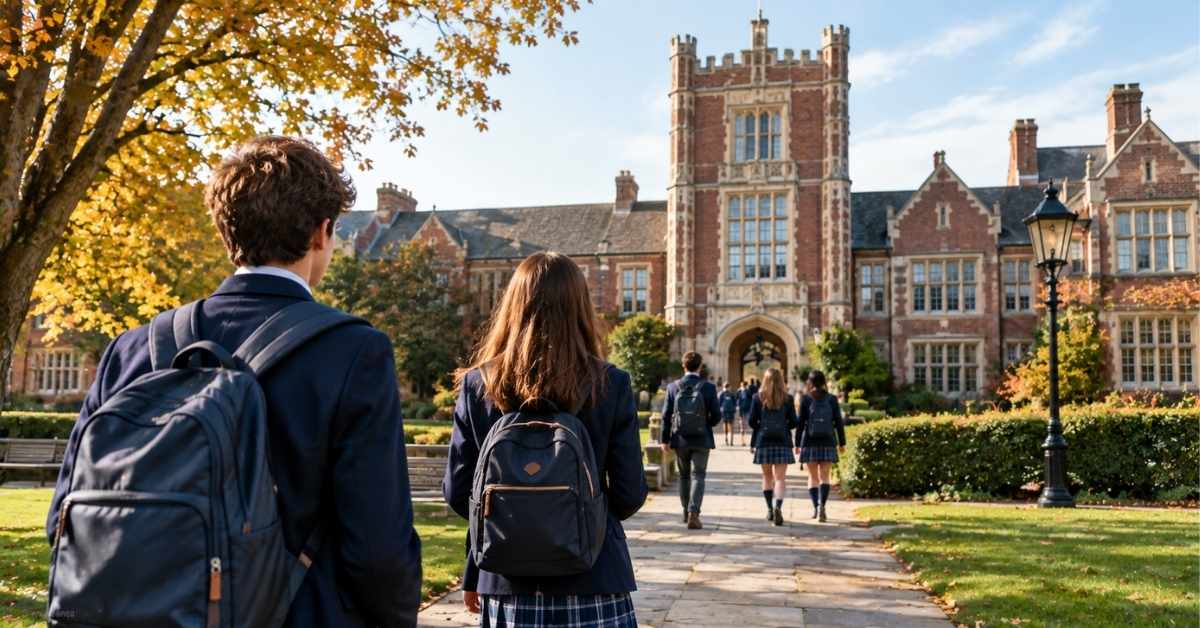
Whenever parents ask me what is a boarding school, they are usually trying to look past old pop-culture stereotypes of gloomy Victorian dorms or military-style discipline. In modern education, a residential academy is actually a dynamic, college-style community designed to accelerate both intellectual curiosity and personal maturity.
In my years working with families as an educational advisor, I explain that what is a boarding school comes down to a total immersion in academic and personal growth. Unlike standard day schools where students leave as soon as the afternoon bell rings, a residential campus weaves classroom lessons, athletics, and social life into a continuous 24-hour learning environment.
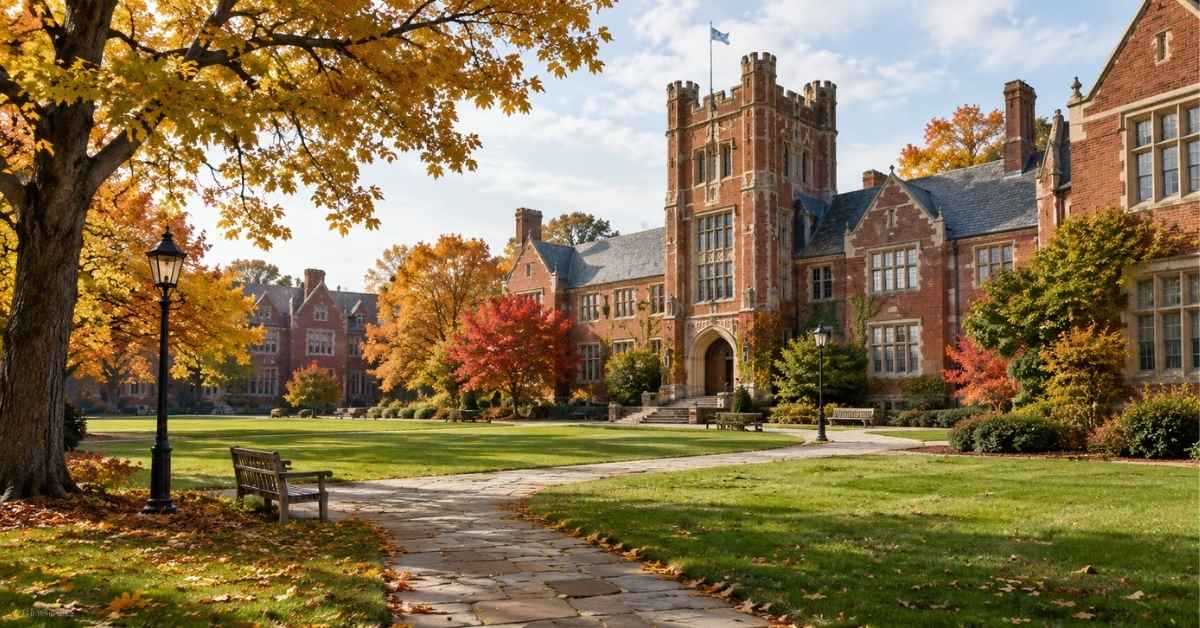
If you are exploring independent education, understanding what is a boarding school helps you decide whether residential life matches your child's maturity and college ambitions. Below, I break down how these institutions operate daily, the distinct types available, and how to determine if your child is ready to live on campus.
The Living and Learning Ecosystem
To truly understand what is a boarding school, you have to look at how campus life dissolves the traditional boundary between school and home. Students live in fully equipped campus residences grouped by grade and gender, sharing common rooms, dining halls, and study lounges.
Faculty members don't just teach biology or literature; they also live in adjacent faculty apartments within the dorms. When I walk parents through what is a boarding school, I highlight how dorm parents provide around-the-clock mentorship, helping teenagers navigate roommate conflicts, study schedules, and homesickness.
This college-like environment teaches adolescents essential life skills long before they leave for university. Living alongside peers from across the country and around the globe fosters an extraordinary sense of personal accountability, empathy, and self-reliance.
(Image: A modern boarding school dormitory common room where students study together on sofas with laptops and books)
Major Types of Residential Institutions
The definition of what is a boarding school actually encompasses several distinct institutional models. While classic college-preparatory campuses are the most common, families have access to specialized environments tailored to specific talents and learning profiles.
Below is a breakdown of the primary residential school models I review with families:
| School Type | Core Educational Focus | Living Arrangement |
|---|---|---|
| College Preparatory | Advanced AP/IB academics | Full 7-day residential term |
| Junior Boarding | Middle school foundation (Grades 6–9) | Structured, nurturing dorms |
| Pre-Professional Arts | Conservatory music, theater, visual arts | Studio access + dorms |
| Military Academies | Leadership, civics, structured discipline | Regimental cadet barracks |
| Five-Day Boarding | Regional weekday immersion | Home on weekends |
Five-day boarding has become increasingly popular in recent years among busy professional families. It provides students with structured evening study halls during the week, while preserving family weekends at home.
A Day in the Life: The Daily Schedule
A central element in evaluating what is a boarding school is the highly disciplined daily routine that governs student life. This structured timetable is intentionally engineered to eliminate idle screen time and balance academics, physical fitness, and community involvement.
Most residential academies follow an intentional schedule similar to this:
| Time Block | Scheduled Activity | Primary Purpose |
|---|---|---|
| 7:00 AM – 8:00 AM | Community Breakfast | Nutrition and morning announcements |
| 8:15 AM – 3:00 PM | Academic Classes | Seminar-style Harkness discussions |
| 3:30 PM – 5:30 PM | Interscholastic Athletics & Arts | Mandatory sports or stage rehearsals |
| 6:00 PM – 7:15 PM | Family-Style Dinner | Seated dining with faculty advisers |
| 7:30 PM – 9:30 PM | Supervised Evening Study Hall | Dedicated quiet homework hours |
| 10:00 PM – 10:30 PM | Dorm Check-In & Lights Out | Rest and digital device curfew |
This predictable daily rhythm instills executive functioning skills in young scholars. By managing athletics, homework, and dorm chores without parental reminders, boarders develop an internal work ethic that makes their future transition to college seamless.
Academic Rigor and Faculty Mentorship
When families ask me about academic rigor and what is a boarding school, I point directly to teacher availability. Because instructors live right on campus, academic support does not end at 3:00 PM.
If a student struggles with AP Calculus or needs feedback on a history research paper, their teacher is often available in the library or common room during evening study hours. Class sizes average just 10 to 12 students, allowing teachers to use conversational methods like the Harkness table rather than passive lectures.
These campuses also provide multi-million-dollar science centers, fabrication labs, and observatories that rival small undergraduate colleges. For families comparing independent curricula with public school systems, our education systems guide provides a detailed overview of domestic and international curriculum tracks.
Character Development and Independence
Beyond the classroom, what is a boarding school really about is fostering early self-reliance. Teenagers are required to keep their rooms tidy, handle their own laundry, and budget their weekly allowances responsibly.
Living with peers from diverse international backgrounds broadens a young person's perspective in ways day schools simply cannot replicate. In my experience, boarding school graduates stand out in college because they already know how to advocate for themselves and collaborate with diverse personalities.

Schools enforce strict honor codes that treat honesty and community trust as core graduation requirements. When adolescents are treated like responsible young adults, they almost always rise to the occasion.
Weekend Life and Campus Traditions
Exploring what a boarding school on weekends is reveals how rich the co-curricular environment truly is. Weekends are not spent isolated in dorm rooms; staff organizes outdoor hiking trips, theater excursions to nearby cities, and campus-wide athletic rivalries.
Boarding schools maintain storied traditions—such as mountain day hikes, formal holiday banquets, and spirited house competitions—that forge lifelong bonds. The alumni networks produced by these shared traditions offer graduates mentorship and professional opportunities throughout their adult careers.
Admissions Cycles and Age Readiness
Demystifying what is a boarding school also involves navigating the competitive independent school admissions cycle. Most selective academies require standardized testing (like the SSAT or ISEE), graded writing samples, teacher recommendations, and an on-campus parent and student interview.
Before deciding whether your student is developmentally ready, it's critical to understand what a boarding school age threshold is. While junior boarding begins as early as 6th grade, the vast majority of students enroll as 9th graders (around age 14) or as 10th graders.

To ensure your child applies in the correct enrollment window, I always advise parents to use our free School Age Calculator on LearnerStep. It calculates your child's exact grade standing and projected high school entry year, helping you begin admissions testing at the optimal moment. You can also explore our blog for actionable guides on private school planning and academic milestones.
Conclusion
Ultimately, discovering what is a boarding school reveals an educational model designed to build confident, capable young adults. By surrounding students with dedicated mentors, rigorous academics, and a tight-knit community, residential academies prepare teenagers for the complexities of modern higher education.
Taking the time to investigate what is a boarding school ensures you choose a campus that aligns with your family's core values. While boarding requires an adjustment for both parents and teenagers, the resulting independence and lifelong friendships make it an invaluable investment.
Before scheduling campus tours, verify your child's academic placement and graduation timeline with our free School Age Calculator. Starting with verified planning data guarantees your family takes every step forward with total clarity and confidence.
Frequently Asked Questions
Q1: What is a boarding school compared to a traditional day school?
A boarding school is a residential academic institution where students live on campus in supervised dormitories throughout the school term. Unlike day schools, residential academies provide an integrated 24-hour learning environment that combines classroom study, mandatory athletics, structured evening study halls, and community living.
Q2: At what age do most students enter what is a boarding school environment?
The most common entry point is 9th grade (typically at age 14), which allows students to complete their full four-year high school career in residence. However, junior boarding schools accept students in grades 6 through 8, and some senior academies accept 10th graders or post-graduate students.
Q3: How often do boarding students get to visit home?
Students typically return home during major Thanksgiving, winter, and spring recesses, as well as over summer vacation. In addition, campuses offer periodic long weekend passes, and parents are frequently welcomed on campus for athletic competitions, family weekends, and theatrical performances.
Q4: Is financial aid available for families applying to residential schools?
Yes. Leading independent boarding schools maintain substantial endowment funds dedicated to need-based financial aid and merit scholarships. Many top-tier academies meet 100% of demonstrated financial need to ensure qualified students from all socioeconomic backgrounds can attend.
Q5: How do boarding schools ensure safety and supervision in dormitories?
Schools maintain high adult-to-student ratios with dedicated faculty members, known as dorm parents, living in connected residential apartments. Campuses feature secure electronic badge-entry access, round-the-clock health centers, professional security personnel, and mandatory evening check-in curfews.