
How Long Is Pharmacy School? Complete Timeline for 2026
How long is pharmacy school exactly? I break down every phase — pre-pharmacy, PharmD, accelerated, and residency — in one honest guide.
Introduction
"How long is pharmacy school?" is usually the first question I hear from students the moment they commit to this career path. The honest short answer is six to eight years total — but that range shifts depending on the program type you choose and how much pre-pharmacy preparation you've already completed.
Pharmacy sits behind medicine and dentistry in total training time, but well ahead of most other clinical degrees. Breaking down how long is pharmacy school phase by phase, gives you a realistic picture to plan your timeline — and your finances — before you ever submit a first application. If you're also exploring other professional school timelines, our guide on how long is culinary school shows how different career training programs compare in length and structure.
Phase-by-Phase: The Real Timeline From Start to License

The professional phase — the part most students mean when they ask how long is pharmacy school — is four years in a traditional Doctor of Pharmacy program. These four years are split between classroom pharmaceutical sciences in years one through three and full-time clinical rotations during year four.
Before that professional phase, most students spend two to four years completing pre-pharmacy undergraduate coursework in organic chemistry, biology, physiology, and biochemistry. Some pharmacy schools allow admission after just two years of prerequisites; others expect a full completed bachelor's degree first.
Combined, how long is pharmacy school from high school graduation typically lands at six years on the shorter end and eight years for students who finish a full bachelor's degree before applying.
Program Types and How Each Changes Your Total Time
The route you choose dramatically affects how long is pharmacy school for your specific situation. Here is the verified breakdown across the three main program structures:
| Program Type | Pre-Pharmacy Phase | Professional PharmD | Total From High School |
|---|---|---|---|
| Traditional PharmD | 2–4 years | 4 years | 6–8 years |
| Accelerated PharmD | 2–4 years | 3–3.5 years | 5–7 years |
| Direct-Entry 0-6 | 2 years (built-in) | 4 years (built-in) | 6 years guaranteed |
The traditional route gives you summers off and a moderate workload. Accelerated programs eliminate summer breaks and compress the same curriculum into three or three and a half calendar years — shorter overall but significantly more intense week to week. This is very different from a shorter commitment like summer school, which typically runs just four to eight weeks for most students.
The Fastest Route: 0-6 Direct-Entry Programs
If you're a high school student certain about pharmacy as a career, a 0-6 direct-entry program is the most efficient answer to how long is pharmacy school. These programs accept applicants straight from high school and combine pre-pharmacy preparation with the professional PharmD into a guaranteed six-year track.
The catch is conditional progression — students must maintain a specific GPA during the first two years to advance into the professional phase without reapplying. But for focused, science-strong students who know exactly where they're headed, this eliminates the uncertainty of a separate application to professional school entirely.
Several universities across the country offer this model, and seats are competitive. The payoff is a pharmacist license in six years flat from the day you start college.
Accelerated PharmD: Finishing in Three Years Instead of Four
For students who have already completed pre-pharmacy prerequisites and want to move faster, accelerated programs shorten how long is pharmacy school at the professional level by running year-round without traditional summer breaks.
The trade-off is a genuinely demanding schedule — you cover the same content as a four-year program in three calendar years, which means heavier course loads and significantly less downtime. Students who thrive in this format tend to be highly self-directed with strong foundational science backgrounds.
Not every region has accelerated programs, so availability depends on where you are willing to relocate. Shaving twelve months off the professional phase is a meaningful financial advantage when you factor in reduced tuition and an earlier start to a full pharmacist's salary.
After the PharmD: Residency and Board Exams
How long is pharmacy school technically ends when you receive your PharmD diploma — but two more steps stand between you and active practice. First, you must pass the North American Pharmacist Licensure Examination (NAPLEX) and the Multistate Pharmacy Jurisprudence Examination (MPJE). Most graduates spend four to twelve weeks in focused board exam preparation after commencement.
Residency training is optional but increasingly expected for hospital and clinical roles. A first-year general practice residency adds one year; a specialized second-year residency adds another. If you plan to work in oncology, critical care, or pediatric pharmacy, factor those extra one to two years into your total timeline from the very beginning.
Retail and community pharmacy roles generally do not require residency, which is why many graduates move directly into those settings immediately after passing their boards. For comparison, law school requirements follow a similar post-degree licensing exam model with a bar exam required before practice.
Planning Two Timelines at Once: Yours and Your Child's
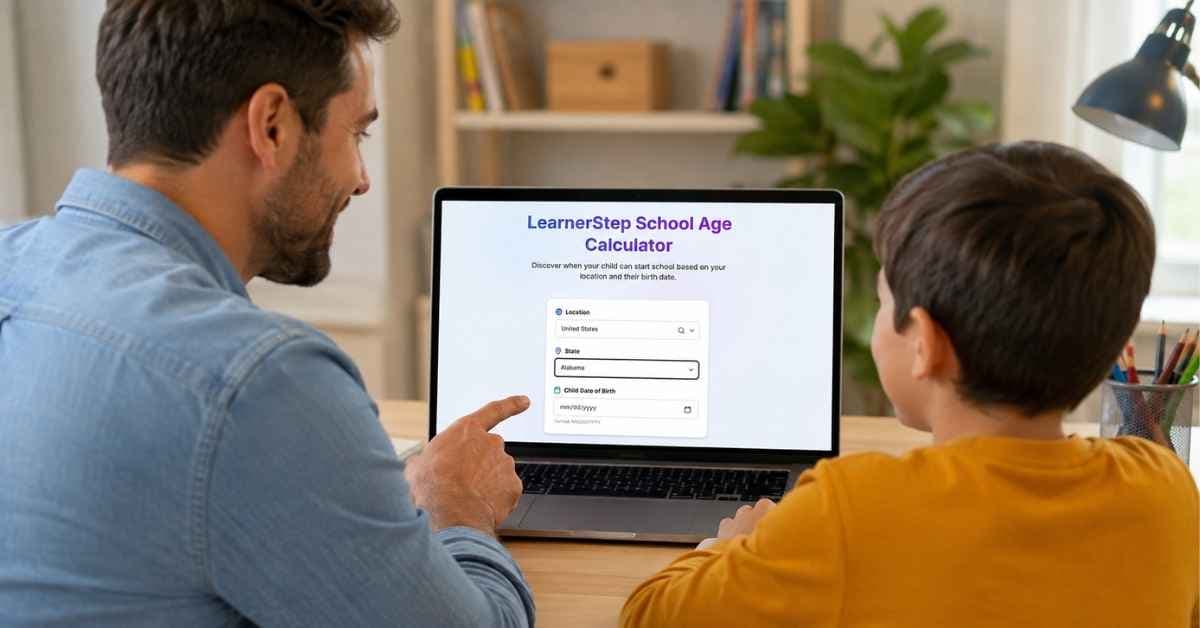
A meaningful portion of students researching how long is pharmacy school are career-changers — parents in their late twenties or thirties mapping out a professional school commitment alongside an active family life. Balancing a six-to-eight-year program with raising school-age children requires planning both timelines simultaneously.
If that's your situation, our free School Age Calculator takes some of the guesswork out of the family side of the equation. Enter your child's birth date, and it instantly shows which grade they'll be in year by year — from kindergarten right through Grade 12. When you know your PharmD graduation year, you can see exactly what grade your child enters that same year and plan school transitions and childcare accordingly.
It's one less thing to calculate manually during a phase of life when your mental bandwidth is already stretched across lectures, rotations, and family responsibilities simultaneously.
Conclusion
How long is pharmacy school depends almost entirely on which path you choose — six years through a direct-entry program, five to seven through an accelerated PharmD, or six to eight via the traditional route. Adding residency extends that by one to two years for those targeting specialized clinical roles.
The commitment is real, but so is the return. Start with an honest look at which program structure fits your timeline, then build your plan from there. If you're managing children's school schedules at the same time, our School Age Calculator and education systems guide are both free tools that help you map the full family academic picture alongside your own professional journey. You can also browse all related guides on our blog for more school and program comparisons.
Frequently Asked Questions
1. How long is pharmacy school if I already have a bachelor's degree?
If you hold a completed bachelor's degree with required pre-pharmacy prerequisites, how long is pharmacy school at the professional level is four years for a traditional program or three years for an accelerated one. Your undergraduate time is already done — you're looking at three to four more years before earning your PharmD. Our blog covers similar timelines for other professional degree paths.
2. Can you finish pharmacy school in three years total?
Not from high school — but the professional PharmD phase itself can be completed in three calendar years through an accelerated year-round program. Combined with two to four years of pre-pharmacy coursework, total time from high school is still five to seven years for accelerated candidates.
3. Is residency counted in how long pharmacy school takes?
Residency is separate from the PharmD and not required to become a licensed pharmacist. It adds one to two years after graduation for those who pursue it. How long is pharmacy school officially ends with the PharmD degree — residency is post-graduate clinical training, optional for most community and retail pharmacy roles.
4. What is the shortest path to becoming a pharmacist?
The 0-6 direct-entry program is the shortest answer to how long is pharmacy school — six years from high school graduation to PharmD, with no separate reapplication required. You must maintain GPA requirements during years one and two to advance, but your professional school seat is guaranteed when you do. Use our School Age Calculator to see where a child entering a 0-6 program today will land grade-wise when they graduate.
5. Is pharmacy school harder than other professional programs?
Pharmacy school involves one of the heaviest science loads in healthcare education — pharmacology, pharmaceutical chemistry, and clinical therapeutics are all deeply rigorous. How long pharmacy school is reflects that depth. For a comparison of other extended professional training paths, see our guides on law school requirements and how long culinary school is on LearnerStep.