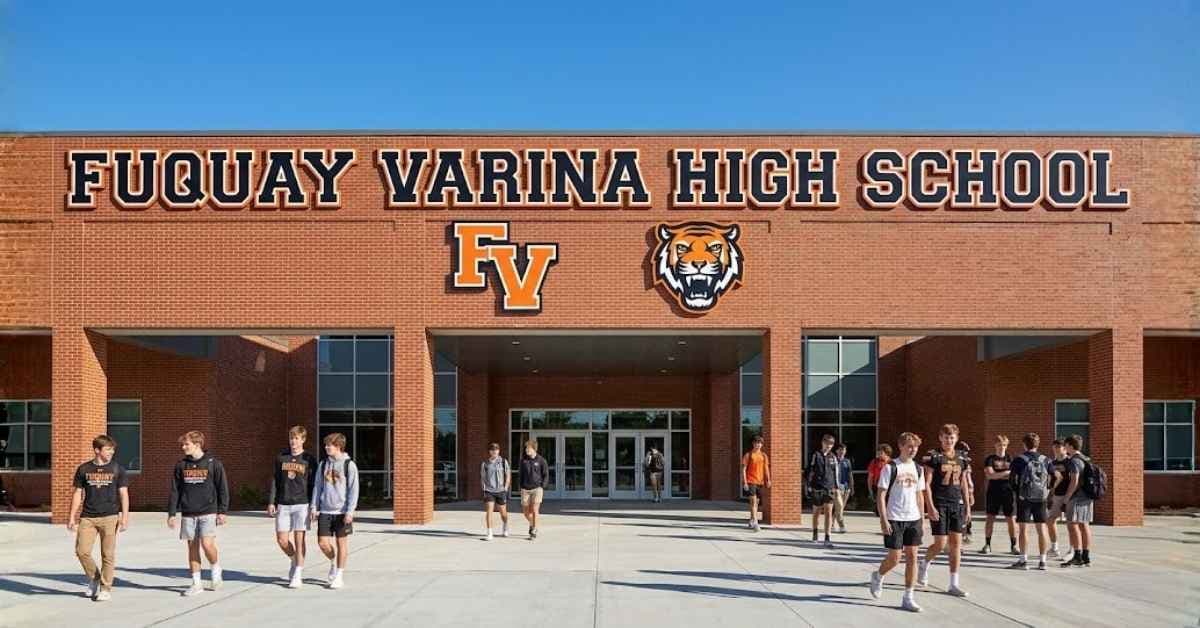
Fuquay Varina High School: 7 Vital Academic Rules
Master the top Fuquay Varina High School student strategies to streamline enrollment schedules, track courses, and secure top-tier grades.
Fuquay Varina High School: Authentic Institutional Scheduling Guide
Managing a family schedule requires a reliable, clear understanding of how local public educational timelines are structured. When we look closely at fuquay varina high school frameworks, we see distinct regional systems designed to serve secondary youth cohorts efficiently inside the Wake County Public School System.
Whether you navigate the academic tracks in North Carolina or study the community infrastructure in the Triangle region, mastering these frameworks keeps your household aligned with the local educational cycle. This guide looks closely at the institutional milestones and programmatic infrastructure that shape this critical secondary learning experience.
By focusing on verified district pathways, we provide an essential resource for families tracking strict academic deadlines. My goal is to break down these complex parameters into clear pieces, helping you organize your corporate calendar, family leaves, and specialized enrichment activities without unnecessary stress.
Understanding how a district maps out terms allows families to stay ahead of upcoming seasonal shifts and teacher work intervals. The following sections outline the precise parameters, structural guidelines, and extracurricular options that define what a student experiences at fuquay varina high school campuses.
Fuquay Varina High School Core Institutional Frameworks
To give you an exact look at how secondary education is organized, we can analyze the structural milestones that form a standard year. The data below outlines a typical traditional calendar path, demonstrating how districts balance instruction with professional development.
| Academic Event Description | Scheduled Operational Target | Institutional Status |
|---|---|---|
| Initial Faculty Work Days | Mid-August | Classrooms Closed for Students |
| Opening Day for Student Cohorts | Late August | All Campuses Fully Active |
| Labor Day Public Observance | First Monday in September | District Facilities Closed |
| Intermediate Progress Assessment | Mid-September | Evaluation Framework Initiated |
| First Quarterly Marking Term Close | Late October | Special Dismissal Schedules |
| Thanksgiving Annual Recess Window | Late November | District Facilities Closed |
| Winter Vacation Commencement | Late December | District Facilities Closed |
| New Year Recess Conclusion | Early January | District Facilities Closed |
| Secondary Learning Resumption | Early January | All Campuses Fully Active |
| Mid-Winter Break Interval | Mid-February | Classrooms Closed for Students |
| Faculty Training Institute Sessions | Early March | Special Dismissal Schedules |
| Spring Recess Launch Window | Late March / Early April | District Facilities Closed |
| Memorial Day Holiday Observance | Late May | District Facilities Closed |
| Final Student Dismissal Milestone | Early June | Early Release Protocol |
Operational Breakdowns and Student Contact Hours
Tracking official fuquay varina high school constraints helps regional families arrange dependable childcare and manage transport systems smoothly. Public systems focus closely on maintaining consistent contact hours to meet state rules and keep student growth steady across all technical fields.
The academic year uses a multi-quarter layout to structure grading intervals, handle term reports, and organize student assessments effectively. Weekly schedules often feature planned early dismissal days—such as Wednesday adjustments—to let faculty teams collaborate on comprehensive curriculum development.
Official school holidays require all campus instruction to stop, though central administrative offices may stay open during specific staff work periods. Weather-related emergency days are built directly into the spring blocks to ensure the district meets state laws automatically.
Specialized Instructional Pathways and Secondary Options
Beyond standard schedules, secondary frameworks offer various specialized programs, language tracks, and advanced options to challenge growing minds. These parallel tracks are designed to help students balance core academic requirements with creative and technical exploration.
Counselors work directly with students to create multi-year growth tracks that align seamlessly with regional graduation and high school readiness expectations. This personal guidance ensures that young people have access to STEM labs, fine arts choices, and technical electives.
Staying on top of your child's schedule means keeping a close eye on registration deadlines, prerequisite checks, and program application windows throughout the year. Independent study is an excellent opportunity on these pathways, giving students a great head start on secondary education.
The Role of Teacher Professional Development Windows
A key element of any modern public framework is the intentional inclusion of non-student teacher work days and professional institute sessions. These planned breaks give educators the dedicated time they need to study student data, share teaching styles, and master technologies.
Staff collaboration windows allow grade-level teams to align their lesson plans, ensuring that different classrooms studying the same subject stay perfectly synchronized. These sessions are also used to upgrade digital safety protocols and evaluate classroom metrics across the district.
Administrators monitor the results of these workshops by tracking student engagement and academic outcomes over time. Investing in continuous professional growth for teachers directly improves classroom instruction and helps lift the overall ranking of our community schools.
Inclement Weather Provisions and Schedule Adjustments
Unpredictable winter weather demands flexible scheduling to keep students safe while staying compliant with state department of education regulations. Districts build specific emergency makeup days directly into the calendar to offset time lost to severe storms or dangerous road conditions.
When extreme weather hits, superintendents coordinate with local media and use automated alert systems to notify families about delayed openings or full closures. Many modern districts can transition to e-learning days seamlessly, maintaining momentum and protecting planned spring breaks.
Parents should make note of the designated makeup days usually placed near the end of the academic year in May or June. Knowing these dates early helps you plan summer travel without worrying about sudden calendar extensions due to winter weather shutdowns.
Checking official district channels ensures your household receives real-time information during severe weather events. This proactive approach keeps your students safe and ensures you are never caught off guard by unexpected morning transportation delays.
Mid-Term Evaluation Cycles and Academic Metrics
Regularly measuring student progress is essential for maintaining high performance standards across core areas like mathematics, languages, and sciences. The calendar features specific mid-quarter check-ins to keep families well-informed about academic growth and learning needs.
Mid-quarter progress reports give students the timely feedback they need to address learning gaps before the final term grades are locked in. These evaluation blocks give teachers the necessary space to review student portfolios, run benchmarks, and complete report cards.
Standardized testing blocks are scheduled carefully to avoid conflicts with seasonal sports tournaments, field trips, or fine arts performances. Academic support systems and targeted tutoring are usually offered immediately after these testing cycles to help students who need assistance.
Educators use these clear metrics to adjust their daily instruction and design focused learning plans for different student groups. This data-driven approach ensures every student gets the exact tools and support required to achieve academic mastery.
Administrative Enrollment Protocols and Registration Deadlines
The central district office handles enrollment deadlines, residency verifications, and school choice applications long before the first bell rings. Meeting these administrative targets ensures proper classroom balancing and lets the district assign bus routes efficiently.
Families moving into the area must provide certified residency proofs, up-to-date health immunization records, and previous school transcripts during open enrollment. Missing these windows can limit elective choices and delay your child's schedule setup for the upcoming semester.
Special registration deadlines apply to families interested in regional magnet tracks or selective technical programs. These administrative milestones form the operational foundation for all student placements and district resource planning throughout the year.
Most modern districts offer online registration portals, making it easy for parents to upload paperwork digitally from home. Completing these requirements early ensures your student's schedule is fully finalized well ahead of the busy back-to-school rush.
Comprehensive Student Support Systems and Guidance Services
Throughout the secondary journey, dedicated counseling and support services are always available to help students handle personal, social, and academic transitions. Counselors provide essential guidance during these formative years, helping students build confidence and strong self-advocacy skills.
Guidance offices provide a safe, welcoming environment for individual counseling, conflict resolution, and leadership development programs. Academic support networks connect students with peer mentors and quiet study rooms during the week to reinforce classroom learning.
Career exploration seminars help older students research vocational paths, high school elective tracks, and advanced study opportunities. Support teams work hand-in-hand with parents to create tailored action plans that keep every child moving forward confidently.
These counseling programs work alongside classroom teachers to ensure a holistic approach to student wellness and development. Regular workshops give young people practical tools to manage stress, build healthy friendships, and make positive choices every day.
Modern Classroom Technology Integration
Districts prioritize digital integration by providing personal computing devices and access to secure, cloud-based learning management systems. These modern tools allow teachers to deliver dynamic lessons that match various learning styles and keep students engaged.
Online portals give parents a real-time window into their child's daily school life, showing updated grades, attendance metrics, and assignment deadlines. Students learn vital digital literacy skills, such as evaluating online sources and collaborating safely on digital projects.
Using these technical systems effectively creates a healthy balance between classic teaching methods and modern educational innovation. Secure, monitored school networks ensure that online research stays productive, safe, and focused on core academic goals.
Ongoing professional training ensures that educators are fully prepared to use these digital tools seamlessly in their daily lessons. This constant technical support keeps classrooms innovative, collaborative, and perfectly equipped for modern learning.
Career and Technical Education Infrastructure
For students eager to explore practical talents, modern secondary frameworks offer excellent career and technical education options. Hands-on modules introduce young people to essential skills in areas like computer coding, robotics, graphic design, and media arts.
Specially equipped labs allow students to work safely with modern tools and software under the guidance of expert instructors. Strategic community partnerships often give students a first look at real-world technical paths and regional engineering fields.
These practical curricula connect directly with secondary technical tracks, helping students move smoothly into advanced high school programs. Combining traditional subjects with applied science and math makes learning come alive and shows students how their lessons work.
These introductory programs inspire students to discover their passions early and see the value of technical certifications. This early exposure helps them build strong career readiness and map out clear paths toward high-demand fields.
Extracurricular Involvement and Leadership Formations
True education goes far beyond the walls of the traditional classroom, which is why students are encouraged to join campus clubs and leadership groups. These student-led associations are fantastic for building deep community connections, personal responsibility, and great civic habits.
Joining an academic club, chess team, or service group allows young people to develop leadership skills while collaborating on exciting projects. Districts support a wide variety of activities to ensure every student can find a place to belong and express their unique talents.
Organizations like student councils and honor societies collaborate with faculty advisors to organize local charity drives and school improvement events. These hands-on experiences teach civic duty and help students discover the joy of giving back to their neighborhoods.
Participating in these vibrant activities gives students a well-rounded school experience that supports personal growth outside of academics. Taking on leadership roles within these clubs builds lasting confidence and prepares young people for future responsibilities.
Regional Athletic Traditions and Sportsmanship Models
The athletic department coordinates diverse intramural and interscholastic sports programs, competing across regional high school athletic conferences. Student-athletes build physical fitness, learn teamwork, and develop personal discipline under the guidance of experienced coaches.
Campus athletic facilities provide great fields, courts, and tracks to support youth health, physical education, and competitive sportsmanship. Regular athletic events bring neighborhoods together, creating wonderful school pride and generating strong community support for youth sports.
Academic eligibility rules require athletes to keep up their grades, reinforcing the vital balance between sports and schoolwork. Programs place a high priority on character development, teaching competitors to handle wins and losses with equal grace and integrity.
Coaches focus on safety and fundamental skill development, ensuring all participants learn the core rules of their favorite sports. These athletic programs offer a healthy outlet for physical energy and help students build lifelong wellness habits.
Creative Outlets in Fine and Performing Arts
The fine arts department gives students rich opportunities to express themselves through visual arts, instrumental music, and theatrical performances. Student bands, choirs, and orchestras perform for the public throughout the year, turning school auditoriums into cultural hubs.
Theatrical productions give students valuable experience both on stage as actors and behind the scenes in set construction, lighting design, and sound engineering. Visual art displays highlight creative diversity, turning school hallways into vibrant galleries.
Dedicated faculty members help young artists sharpen their skills, express their unique voices, and build strong creative portfolios. These artistic programs show our deep commitment to providing a rich, well-rounded public education for every child.
Annual showcase events celebrate the artistic growth of students across all grade levels within the local metropolitan community. These celebrations build a deep public appreciation for arts education and inspire students to keep pursuing their creative dreams.
Parent-Teacher Alliances and Community Engagement
Active parent involvement is a cornerstone of any thriving public school community. Parent-teacher organizations work alongside school administrators to fund student enrichment programs, buy special classroom gear, and host fun community events.
Regular volunteer opportunities let parents serve on school improvement teams, help out in media centers, or join athletic booster clubs. Direct updates from principals keep families well-informed about policy shifts, upcoming testing blocks, and student achievements.
Open, transparent communication channels build deep trust between local households and school leadership teams. Collaborative forums give parents a meaningful voice in shaping the school environment and supporting the growth of all students.
These strong community partnerships ensure that school programs stay beautifully aligned with the values and needs of local families. Regular feedback loops help administrators make smart, empathetic decisions that benefit the entire campus community.
Alumni Networks and Community Foundations
Graduates become part of a proud alumni network that offers educational advice, career mentoring, and professional connections for current students. These lasting relationships keep school traditions alive and inspire younger generations to aim high in their studies.
Local educational foundations secure private donations, business sponsorships, and grants to update classroom technology and upgrade campus facilities. These generous community investments ensure our schools can keep delivering a high-quality education year after year.
Alumni love coming back to campus for career days and special promotional events, showing students the long-term value of their high school foundation. This strong bond between past graduates and current schools highlights the enduring strength of our local community.
These philanthropic networks play a huge role in supporting student assistance funds and launching innovative classroom projects. Constant alumni support protects the legacy of our schools and creates wonderful new paths for student success.
Coordinating Post-Secondary Transitions Successfully
The secondary school journey focuses heavily on preparing students for a smooth, confident transition into competitive collegiate environments. Counselors host helpful academic workshops, parent information nights, and student transition panels to guide families through their choices.
Staff members work closely with families to handle college registrations, track course prerequisites, and choose specialized study paths. This thorough preparation ensures that high schoolers step easily into secondary options, advanced academies, or technical tracks.
Celebrating end-of-year milestones highlights the collective hard work of educators, parents, and students over four crucial growth years. The secondary journey concludes with an official promotion ceremony, marking the proud start of a brand-new collegiate chapter.
Promotion readiness reviews ensure that every student finishes their necessary coursework and meets all regional academic benchmarks on time. This proactive checking process clears away hurdles, setting the stage for immediate higher education enrollment.
Managing Key Deadlines of the District Timeline
Staying updated on quarterly calendar changes makes scheduling simple for families managing multiple kids in different regional schools. Checking regular calendar alerts helps you avoid scheduling conflicts with major system assemblies, testing blocks, or neighborhood holiday events.
School administrators share timeline updates across digital platforms to keep community leaders and local businesses well-informed. This clear communication ensures that local community activities align perfectly with standard high school campus schedules.
Following these administrative updates helps families plan extended travel or organize private tutoring schedules with complete confidence. Keeping in close touch with school announcements ensures your home operations run beautifully all year long.
A well-mapped calendar prevents unexpected childcare dilemmas, keeping your home life balanced during busy academic blocks. The district remains fully committed to upfront, clear communication to give your family a reliable framework you can depend on.
Maximizing Operational Success at Fuquay Varina High School
Every family dynamic functions more effectively when integrated smoothly with local educational requirements. Navigating the unique structural benchmarks at fuquay varina high school enables households to optimize their resource allocation and prevent transport friction entirely.
When parents understand the specific academic milestones at fuquay varina high school facilities, they can coordinate enrichment paths effectively. These timelines provide the solid operational base required to balance home routines with intensive campus learning expectations.
Managing secondary education protocols at fuquay varina high school locations demands consistent attention to administrative updates. By staying informed about structural changes at fuquay varina high school hubs, families remain fully prepared for every upcoming seasonal shift.
The daily performance metrics at fuquay varina high school campuses reflect a deep commitment to institutional excellence. Choosing to align your calendar with fuquay varina high school rules guarantees that your students maintain full structural momentum all year long.
Essential Community Checklists for Fuquay Varina High School Families
To maintain absolute alignment with the administrative team, local households utilize standard operational check-ins regularly. Reviewing the basic enrollment parameters at fuquay varina high school points ensures that your digital data remains perfectly accurate for transit teams.
Every specialized learning track at fuquay varina high school locations has strict application windows that open during the spring term. Parents tracking high-demand options at fuquay varina high school sites must complete their filings before the district office closes registration.
The student guidance resources at fuquay varina high school zones help young people navigate complex secondary growth years seamlessly. Accessing these counseling blocks at fuquay varina high school offices builds strong foundations for future collegiate academic choices.
Every tech integration path at fuquay varina high school buildings requires signed digital safety agreements from guardians. Activating your personal portal at fuquay varina high school portals gives you an immediate look at daily classroom performance metrics.
Strategic Enrichment Options Within Fuquay Varina High School
The structural framework provided at fuquay varina high school institutions encompasses excellent technical and practical training opportunities. Exploring career modules at fuquay varina high school facilities allows secondary students to test real-world skill sets early.
The diverse laboratory spaces at fuquay varina high school campuses are fully equipped to handle advanced introductory robotics tracks. Students joining specialized clubs at fuquay varina high school centers work collaboratively on complex programming layouts throughout the year.
The fine arts programs at fuquay varina high school districts consistently deliver high-quality theatrical and musical showcases for the public. Attending seasonal exhibitions at fuquay varina high school auditoriums highlights the creative development taking place inside our local classrooms.
Every community alliance built at fuquay varina high school spaces strengthens the connection between neighborhoods and educators. Engaging with parent organizations at fuquay varina high school meetings helps secure vital funding for necessary classroom tools.
Preparing for Collegiate Advancement From Fuquay Varina High School
The ultimate operational goal of fuquay varina high school programs is to ensure student readiness for competitive university environments. The complete curriculum at fuquay varina high school campuses focuses on building robust mathematical and linguistic proficiency metrics.
Counselors hosting transition sessions at fuquay varina high school rooms provide clear paths for selecting high school electives. Preparing early for promotion milestones at fuquay varina high school venues removes unexpected barriers to immediate collegiate placement.
The proud legacy shared by fuquay varina high school alumni highlights the enduring impact of a solid secondary foundation. Staying linked to the foundation networks at fuquay varina high school offices helps fund long-term structural upgrades for future student cohorts.
As you coordinate your domestic schedules, remember that fuquay varina high school systems are built to offer maximum operational stability. Relying on the official calendar at fuquay varina high school properties ensures your family stays perfectly organized from opening day to final dismissal.
Conclusion
Mastering the fuquay varina high school schedule is a smart, essential step for ensuring a successful, stress-free academic journey for your child. From early registration deadlines to final end-of-year graduation milestones, this institutional timeline keeps everyone organized and moving forward together.
By using official district calendars, online parent portals, and local school resources, families can navigate terms, breaks, and evaluation periods with ease. Staying involved with these key dates at fuquay varina high school supports student progress and strengthens our entire school community throughout the year.
I encourage all residents to use official district tools to stay updated on any unexpected schedule tweaks. Taking a proactive approach to calendar planning at fuquay varina high school ensures a rewarding, productive, and highly successful school year for every student.
You can also visit our school age calculator at learnerstep.com to determine the age and year for your child to go to this high school.
FAQs
What district authority manages the Fuquay Varina High School system?
The school is managed by the local regional Board of Education, which oversees public secondary instruction across the district boundaries. This board handles regional educational assets at fuquay varina high school to maintain high academic standards while supporting student needs across all member campuses.
How many instructional days are built into the standard school year?
The calendar features approximately 180 instructional days to fulfill state requirements and provide deep learning opportunities for every student. This standard distribution at fuquay varina high school balances intensive classroom work with necessary holidays, wellness breaks, and teacher training sessions.
When does winter break begin on the official calendar?
Winter recess typically starts in late December and runs through the first days of January, giving families ample time for seasonal travel. Regular classroom schedules at fuquay varina high school resume promptly in early January to keep students moving forward with their studies.
Where can parents access student grades and attendance portals?
Families can log into the secure administrative portal found on the official district website to check attendance records anytime. This digital tool at fuquay varina high school updates regularly, helping parents communicate with teachers and follow their child's academic progress.
Are advanced study options available within the school curriculum?
Yes, the curriculum includes various advanced placement prep and honors tracks organized to challenge developing minds at fuquay varina high school. By choosing one of these options, dedicated students can meet their standard secondary school graduation requirements while achieving advanced academic standing.